
Urinary Incontinence Treatment in Doha:
Regain Control and Confidence
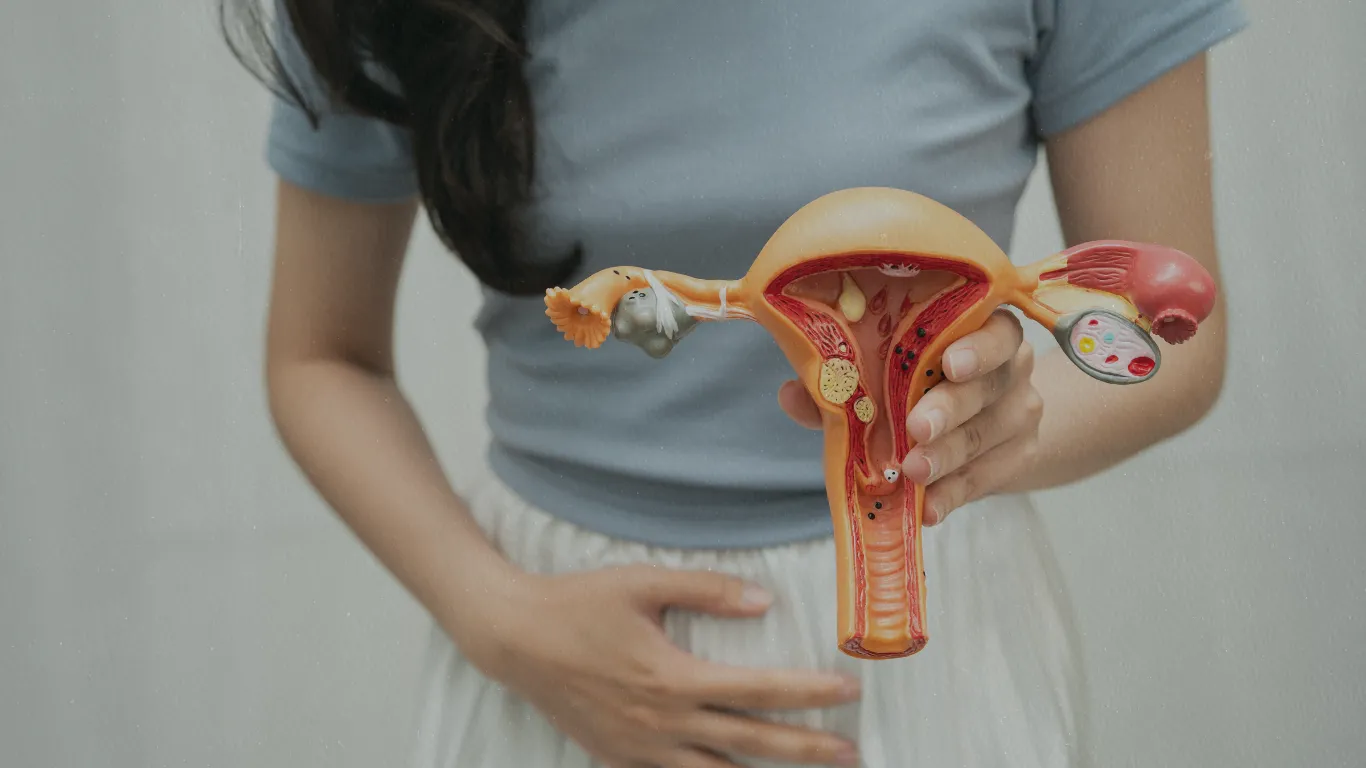
Types of Urinary Incontinence
- Stress incontinence: Urine leaks when pressure is placed on the bladder—such as when coughing, sneezing, laughing, lifting, or exercising—usually caused by weakened pelvic floor muscles.
- Urge incontinence: A sudden, strong need to pass urine, sometimes with leakage before reaching the toilet.
- Mixed incontinence: When leaks come from both stress and urgency at the same time.
- Overflow incontinence: Frequent dribbling because the bladder does not empty fully.
Common Causes in Women
Carrying a pregnancy and giving birth vaginally may leave the pelvic floor muscles looser and less supportive. Lower estrogen levels after menopause may affect the tissues that support the bladder. Bladder symptoms can also change over time, so leakage that starts mildly may become more noticeable without support. Other contributing factors include a long-term cough, constipation, excess weight, bladder irritants such as caffeine, and some medical conditions.
How a Gynecologist Assesses Your Symptoms
Your gynecologist will ask about your symptoms, fluid intake, and medical history. You may be asked to keep a short bladder diary for a few days. A pelvic examination and a urine test help rule out infection or prolapse, and further tests may be suggested if needed. Many women feel embarrassed to discuss bladder problems, but these conversations are a routine part of gynecological care, and you will be treated with understanding throughout.


Treatment Options
Your treatment plan for urinary incontinence is personalized around the specific type of leakage you experience and how much it affects your daily life. Options may include:
- Pelvic floor muscle training
- Bladder training and lifestyle advice
- Treating constipation or managing weight
- Medicines for an overactive bladder
- Local estrogen treatment after menopause, where suitable
- Referral for a procedure if other treatments do not help enough
Why See a Gynecologist in Doha, Qatar?
Bladder symptoms are often connected to pelvic floor health, childbirth, and hormonal change, which are all areas a gynecologist understands well. Choosing a gynecologist in Doha, Qatar, means your care considers the whole picture in a private and respectful setting. Your treatment plan is reviewed at follow-up visits, so it can be adjusted as your symptoms improve.
Frequently Asked Questions
Is urinary incontinence a normal part of aging?
It becomes more common with age, but it is not something you have to accept. Treatment can often improve symptoms.
Do pelvic floor exercises really help?
They help many women, especially with stress incontinence. A gynecologist can check that you are doing the exercises correctly.
Can I see a gynecologist in Doha, Qatar, for bladder leakage after childbirth?
Yes. Leakage after childbirth is common, and an assessment can be arranged whenever you feel ready.
Will I need surgery?
Most women start with non-surgical treatment. Surgery is usually considered only if other options have not helped enough.
Book Your Assessment
If urinary incontinence is affecting your daily life, get in touch today to arrange a private assessment with an experienced gynecologist in Doha, Qatar.