
Expert PCOS & Hormonal Balance
Care in Doha
Signs of a Hormonal Imbalance
- Irregular menstruation or missed periods
- Acne, oily skin, or thinning hair on the scalp
- Unwanted hair on the face or body
- Weight changes that are hard to explain
- Tiredness, low mood, or poor sleep
- Difficulty getting pregnant
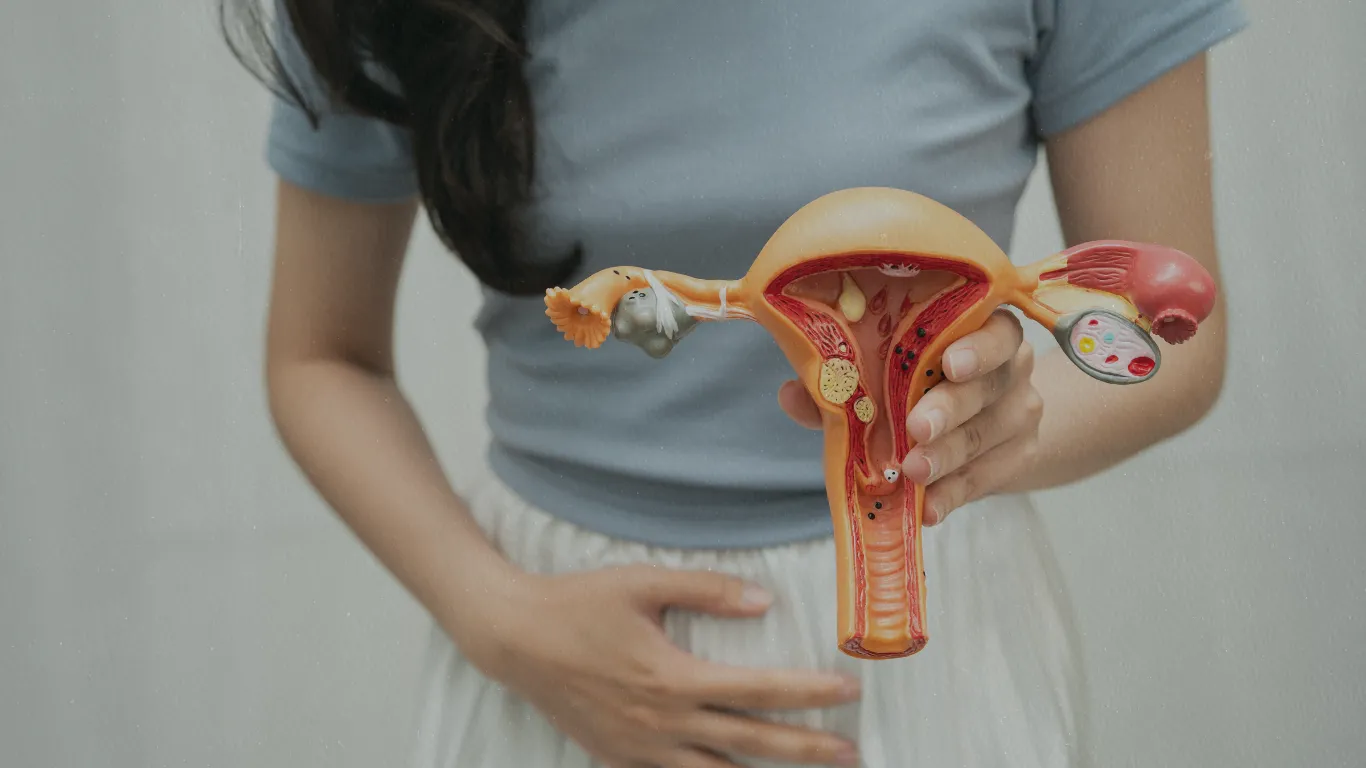
What Causes Irregular Menstruation?
Irregular menstruation happens when ovulation does not occur on a regular schedule. Possible causes include polycystic ovary syndrome, thyroid disorders, raised prolactin, significant stress, intense exercise, and sudden weight changes. Finding the cause matters, because the right treatment depends on it.
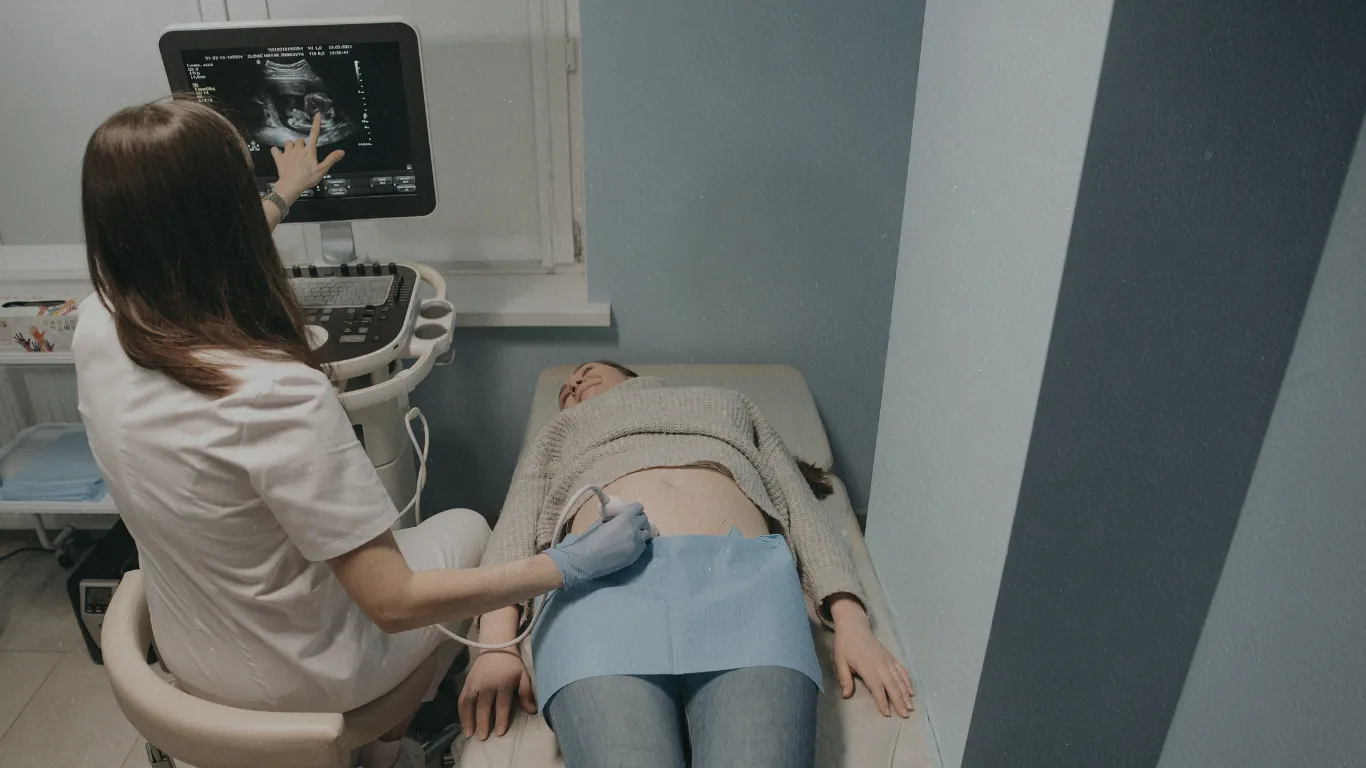
How Polycystic Ovary Syndrome Is Diagnosed
There is no single test for polycystic ovary syndrome. Diagnosis is usually based on a combination of irregular or absent ovulation, signs of raised androgen hormones, and the appearance of the ovaries on a scan. Blood tests also help rule out other conditions with similar symptoms. Your doctor will explain each finding so you understand your results.
Polycystic Ovary Syndrome Treatment Options
Every woman with PCOS has different priorities, so polycystic ovary syndrome treatment is built around what matters most to you. Treatment for polycystic ovaries may focus on:
- Regulating your cycle and protecting the lining of the womb
- Managing skin and hair symptoms
- Supporting a healthy weight and insulin sensitivity
- Helping you ovulate if you wish to conceive
Lifestyle changes are often the foundation, with medicines added where needed. Your plan is reviewed regularly, because good treatment for polycystic ovaries adapts as your life changes.
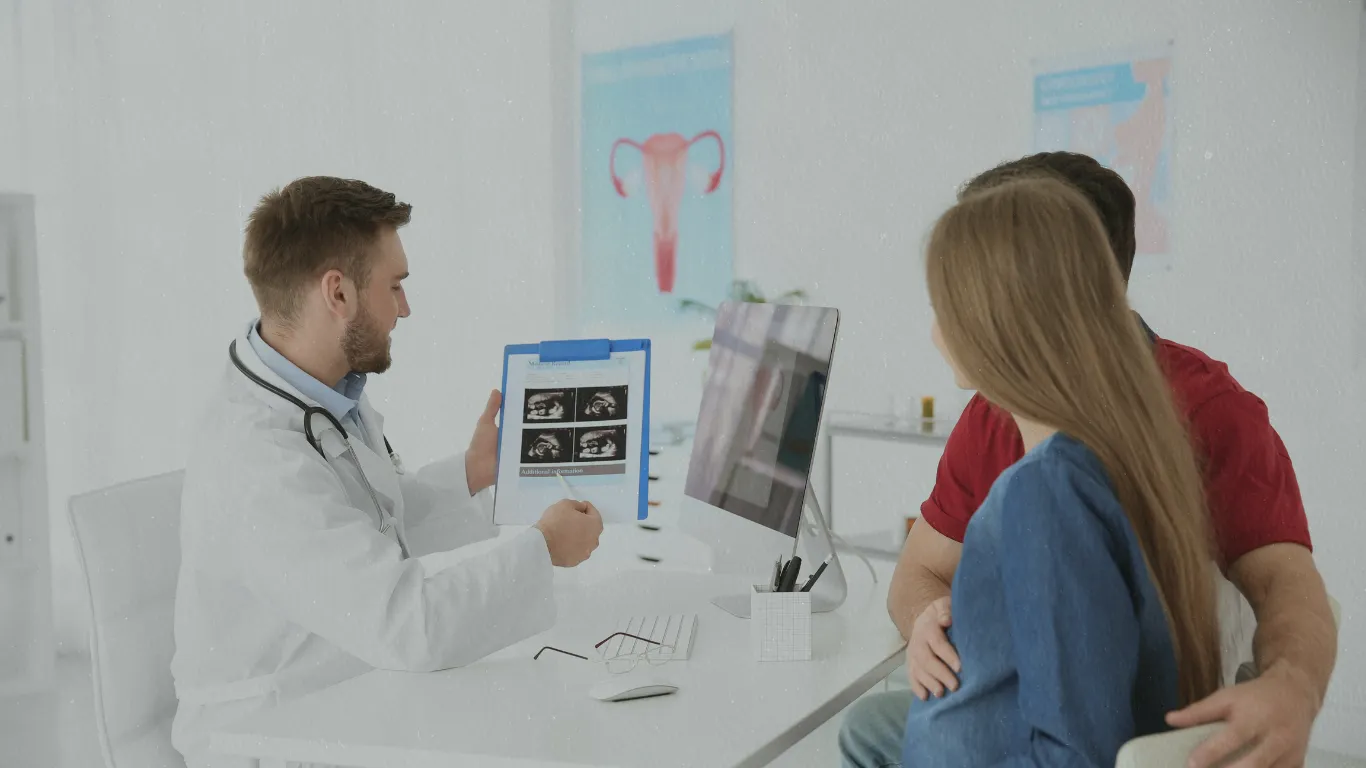
Long-Term Hormonal Wellbeing
Hormonal conditions can affect long-term health, including blood sugar, cholesterol, and heart health. Ongoing polycystic ovary syndrome treatment and regular check-ups help you stay on top of these risks with confidence. Your doctor may suggest periodic checks of blood sugar and cholesterol, along with practical advice on activity, sleep, and nutrition. If your goals change, for example, when you plan a pregnancy, your polycystic ovary syndrome treatment can be adjusted to match.
Frequently Asked Questions
Can polycystic ovary syndrome be cured?
There is currently no cure, but symptoms can often be well managed with the right combination of lifestyle support and medical care.
Does irregular menstruation always mean PCOS?
No. Irregular menstruation has several possible causes, including thyroid problems and stress, so a proper assessment is important.
Is treatment for polycystic ovaries the same for every woman?
No. Treatment for polycystic ovaries depends on your symptoms, health, and whether you hope to conceive.
Can a hormonal imbalance affect my mood and sleep?
Yes. Changes linked to the menstrual cycle, the thyroid, or PCOS can affect mood, energy, and sleep. Talking these through is part of your assessment.
Book a Hormonal Health Consultation
If irregular menstruation, skin changes, or other symptoms are affecting your well-being, get in touch with our Doha clinic to arrange a hormonal health consultation.