
Women's Health Care in Doha:
Support from Periods to Menopause

Understanding Perimenopause and Menopause
Perimenopause is the transition phase before your periods stop completely. It often begins in the forties, although it can start earlier for some women. During perimenopause, hormone levels rise and fall unevenly, which may cause:
- Hot flushes and night sweats
- Changes in mood, sleep, or concentration
- Periods that become heavier, lighter, or less predictable
- Vaginal dryness or discomfort
Menopause is officially reached after 12 consecutive months without a menstrual period. Some women move through this stage with few symptoms, while others find that menopause affects their work, relationships, and wellbeing. Your doctor can explain what is happening in your body and discuss options that may include lifestyle advice, non-hormonal treatments, or hormone therapy where suitable.
When Irregular Menstruation Needs Attention
Cycles naturally vary a little from month to month, but irregular menstruation that continues for several months is worth checking. It can be linked to stress, weight changes, thyroid conditions, hormonal imbalance, or the early stages of perimenopause. It can also be a sign of polycystic ovary syndrome. Book a review if you notice:
- Periods that come much closer together or further apart than usual
- Very heavy bleeding or bleeding between periods
- Periods that stop without pregnancy
- Pain that interferes with daily life
Polycystic Ovary Syndrome and Your Long-Term Health
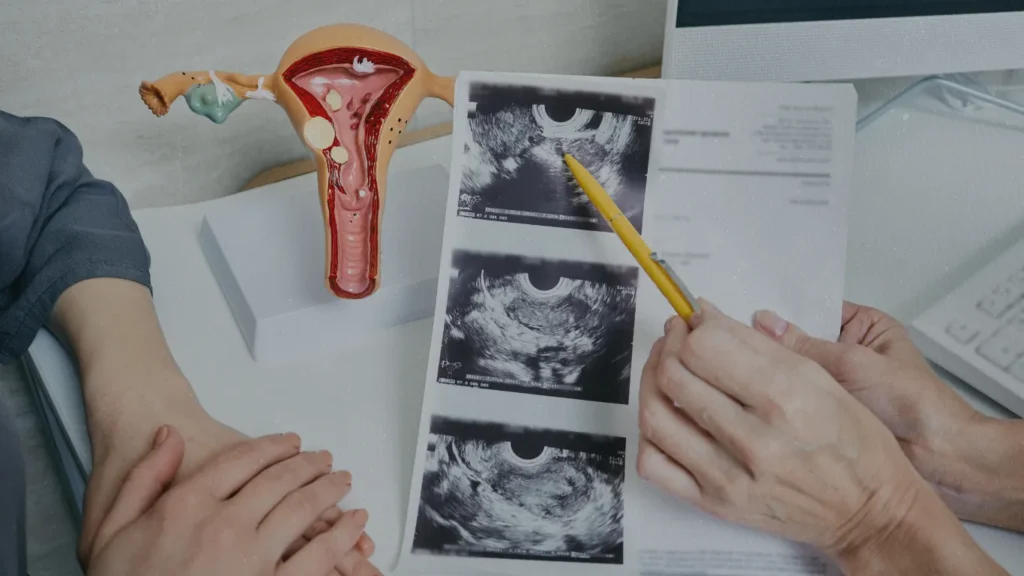
Polycystic ovary syndrome (PCOS) can disrupt ovulation and may also show up as changes in skin, hair growth, or weight. Many women first notice it through irregular menstruation or difficulty getting pregnant. Because polycystic ovary syndrome can influence long-term metabolic health, early assessment and a personalised plan are important. Your doctor may suggest blood tests or imaging, followed by practical lifestyle guidance and treatment matched to your goals.
Personal, Respectful Women's Health Care
At every appointment, we take time to listen before recommending anything. You can expect:
- Unhurried consultations in a private setting
- Clear explanations without medical jargon
- Care plans that respect your preferences and values
- Ongoing support as your needs change, from your twenties to life after menopause
Frequently Asked Questions
What are the first signs of perimenopause?
Common early signs include changes to your cycle, hot flushes, poor sleep, and mood changes. A gynaecological review can help confirm whether these symptoms are related to perimenopause.
Is irregular menstruation always a sign of a problem?
Not always. Occasional changes are normal, but irregular menstruation that lasts for several months should be assessed to find the cause.
Can polycystic ovary syndrome be managed?
Polycystic ovary syndrome is a long-term condition, but its symptoms can often be managed with lifestyle changes and medical treatment tailored to your plans.
What help is available for menopause symptoms?
Options may include lifestyle changes, non-hormonal medicines, and hormone therapy. Your doctor will discuss the benefits and risks of each option based on your health history.
Book a Women's Health Consultation
Whether you have questions about menopause, your cycle, or hormonal changes, our team is here to help. Contact us today to book a private consultation.