
Gynaecological Conditions and Treatment
in Doha: Fibroids, PCOS, and More
What Are Fibroids?
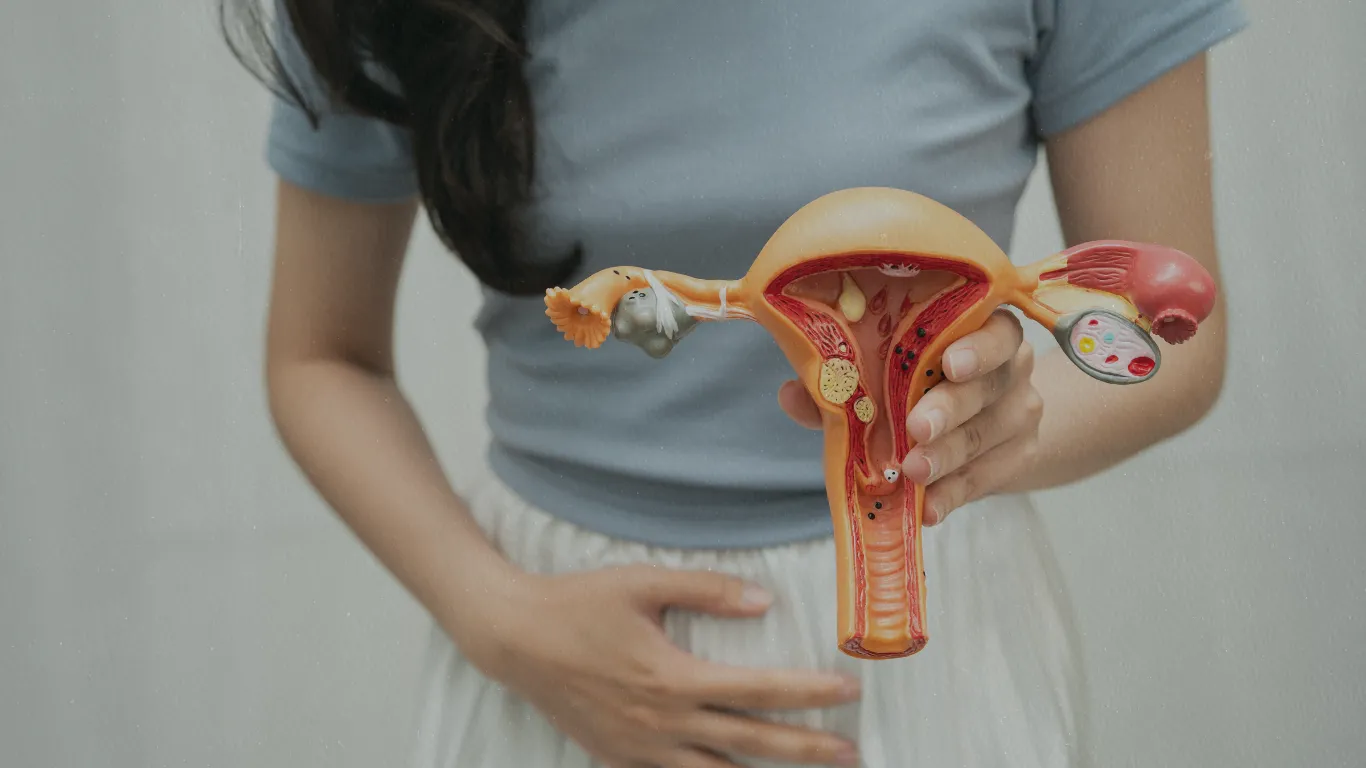
Fibroids are benign lumps that can form within the muscle wall of the womb, on its outer surface, or inside its cavity. They vary in size and number, and some women never know they have them. Women who notice problems from fibroids often describe:
- Heavy or prolonged periods
- A heavy, dragging sensation low in the tummy
- Needing to pass urine more often
- Lower back pain or discomfort during intercourse
How Fibroids Are Assessed and Treated
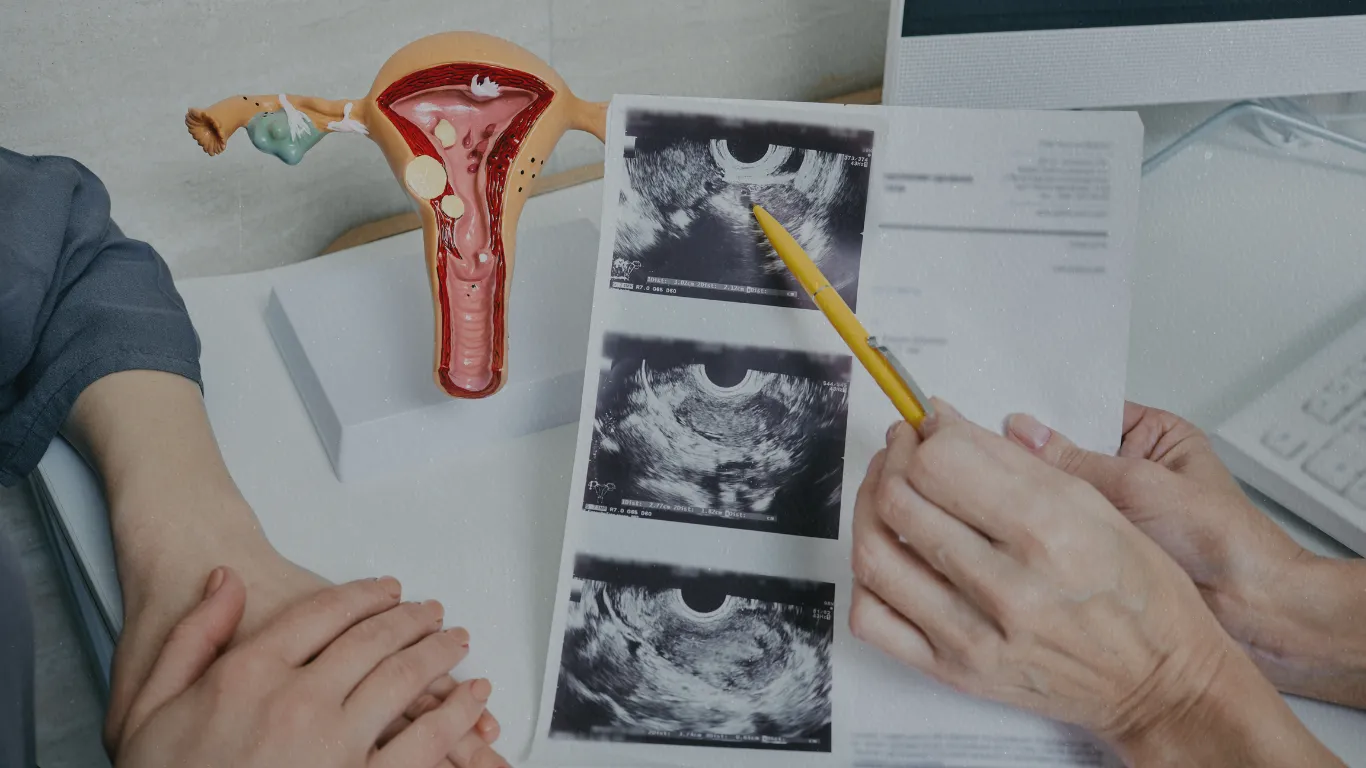
Your visit begins with a detailed talk about what you have noticed, followed by an examination and, if helpful, an ultrasound or other scan. The right plan is shaped by where the fibroids sit, how large they are, how strongly they disrupt your routine, and your plans for a family. Your gynaecologist may recommend monitoring, medicines to ease heavy bleeding, hormonal treatment, or, in selected cases, a surgical procedure.
Polycystic Ovary Syndrome Treatment Tailored to You
Polycystic ovary syndrome changes the way hormones work and may influence ovulation, your monthly cycle, your skin, and your weight. No single approach suits everyone, so polycystic ovary syndrome treatment is planned around your main concerns. Depending on your symptoms, it may include:
- Lifestyle and nutrition guidance
- Medicines to regulate your cycle
- Support for acne or excess hair growth
- Help to encourage ovulation when you are planning a baby
Treatment for polycystic ovaries is reviewed over time because your priorities may change—for example, when you decide to start a family.
Other Conditions We Assess
Alongside fibroids and polycystic ovary syndrome, our clinic sees women with ovarian cysts, endometriosis, painful periods, pelvic infections, and unexplained pelvic pain. Some of these conditions share symptoms with polycystic ovary syndrome or fibroids, such as heavy bleeding or pelvic discomfort, so a careful assessment helps separate one cause from another. Each assessment aims to find the cause and agree on a clear, practical plan that fits your life.
Why Early Assessment Matters
Spotting a problem in its early stages usually makes care simpler and more effective. Starting polycystic ovary syndrome treatment soon after symptoms appear can also support your long-term metabolic health. Not sure if a symptom is worth checking? Booking a visit is an easy way to get clear answers.
Frequently Asked Questions
Are fibroids dangerous?
Fibroids are almost always non-cancerous. Many cause no symptoms, but they should be checked if you have heavy bleeding, pain, or pressure.
What does treatment for polycystic ovaries involve?
Treatment for polycystic ovaries may involve lifestyle advice, medicines to regulate periods, care for skin and hair symptoms, and fertility support, depending on your goals.
Does polycystic ovary syndrome treatment differ if I want to get pregnant?
Yes. If you are trying to conceive, polycystic ovary syndrome treatment usually focuses on supporting regular ovulation.
Book Your Consultation
If symptoms are affecting your daily life, you do not need to wait. Contact our clinic in Doha to book a consultation about fibroids, treatment for polycystic ovaries, or any other gynaecological concern.